

Blog
The Independence Palace, Ho Chi Minh City: Information, Address, Opening Hours
he Independence Palace, also known as Reunification Palace, is one of the most significant historical landmarks in Vietnam, particularly in Ho Chi Minh City. It is not only an architectural masterpiece but also a symbol of the end of the Vietnam War. With its rich history and majestic surroundings, the Independence Palace is a must-visit destination for both local and international tourists, offering a glimpse into key moments of Vietnam’s past.
Overview of the Independence Palace
The Independence Palace, also known by various names such as Reunification Palace, Norodom Palace, and Governor’s Palace, is located at 135 Nam Ky Khoi Nghia Street, Ben Thanh Ward, District 1, Ho Chi Minh City. This iconic structure has witnessed many significant historical events in Vietnam, most notably the liberation of South Vietnam and the reunification of the country on April 30, 1975.
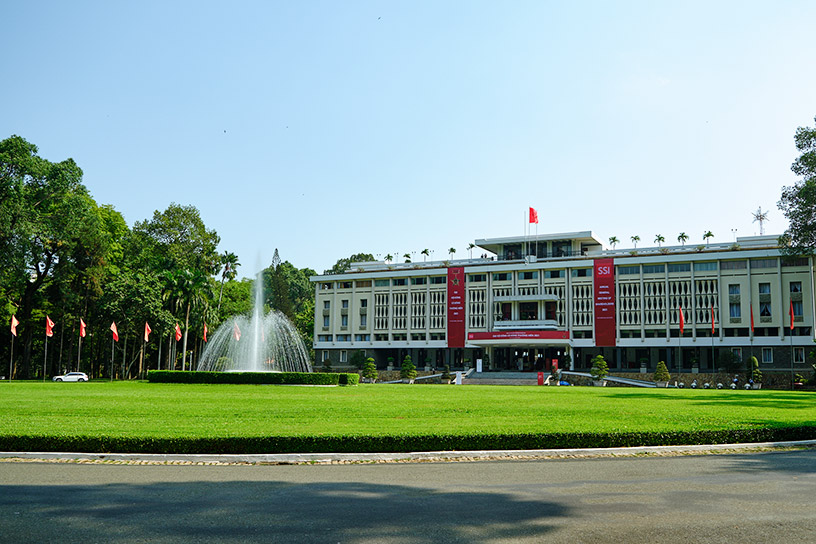
Before becoming a symbol of peace and national unity, the palace served as the residence and workplace of the President of the Republic of Vietnam. Construction of the palace was initiated by French Governor La Grandière in 1868 and completed three years later, giving the building a history spanning over 150 years. Initially named Norodom Palace, it underwent several name changes over the years and was officially renamed the Independence Palace in 1954.
The Independence Palace in Saigon is not only a remarkable architectural work but also a symbol of national pride and the Vietnamese people’s enduring aspiration for peace. It stands as an important historical monument, reminding us of the painful past and the nation’s desire for freedom. Through the preservation and display of historical artifacts, the Independence Palace highlights the importance of peace, freedom, and national unity.
What to Do at the Independence Palace
The Independence Palace is divided into three distinct areas to provide a diverse and engaging experience for visitors: the permanent exhibition area, the thematic exhibition area, and the supplementary exhibition area. Each section offers unique features that enhance your exploration:
Permanent Exhibition Area
The permanent area of the Independence Palace once served as the workplace and residence of the former government. The rooms in this section include the reception hall, the banquet room, the security council chamber, the president’s office, and offices for government officials. Additionally, this area encompasses bedrooms, living spaces, and recreational rooms, creating a vibrant and diverse environment.
As you step inside, you will encounter vivid historical artifacts that offer a detailed glimpse into life during the past. These discoveries will deepen your understanding of the hardships of war and the importance of peace in the nation’s history.

Thematic Exhibition Area
The thematic exhibition area in the Independence Palace hosts large-scale exhibits. Here, visitors can view dynamic photographs that vividly recreate significant periods in history.
With the guidance of knowledgeable tour guides, you will have the opportunity to uncover deep and unique historical insights. These details are often not widely published in books or other materials, making it a rare and enriching experience for visitors.

Supplementary Exhibition Area
The supplementary exhibition area houses a large collection of historical photographs. These images have been carefully curated and preserved to help future generations better understand the past. They showcase the resilience and determination of the soldiers who fought and defeated their enemies, allowing the Vietnamese people to live the lives they enjoy today.
In addition to exploring the main areas, you can also visit the basement of the Independence Palace or take a stroll around the surrounding grounds. The lush green lawns offer a refreshing ambiance, and from here, you can admire the palace from all angles, appreciating the unique and harmonious architectural design of the Independence Palace.