

Blog
Ho Chi Minh city, Vietnam: Top 20 Places to Visit
Ho Chi Minh city is the largest city in Vietnam, where you can find many interesting things to explore, such as history, culture, and cuisine. Most tourists visiting Vietnam will include Ho Chi Minh City in their itinerary. Another name that people often use for Ho Chi Minh City is Saigon, which was its former name before the city changed its name in 1976, so in this article, we will use both names interchangeably. Let’s explore Ho Chi Minh City and the places to visit here together with SVietnam Travel.
Overview of Ho Chi Minh city
Ho Chi Minh City is located in the southern region of Vietnam. It is the largest and most vibrant economic center of Vietnam, with a population of over 9 million people. Situated at the heart of Southeast Asia, Ho Chi Minh City serves as a crucial transportation hub for road, waterway, and air travel, making it an extremely important international gateway for Vietnam.
The history of Saigon – Ho Chi Minh City spans approximately 300 years, marked by numerous ups and downs and significant events during its formation and development. Today, Ho Chi Minh City has transformed into a modern metropolis with towering skyscrapers and remarkable landmarks, while still preserving many historical values that cater to all travelers interested in exploring this place.
Best Time to Visit Ho Chi Minh city
The weather in Ho Chi Minh City is divided into two distinct seasons throughout the year: the rainy season from May to November and the dry season from December to April. If you visit during the rainy season, it’s advisable to carry an umbrella or raincoat when going outside because Ho Chi Minh City often experiences sudden showers (rain followed by clear skies, then rain again). The temperature in this city typically ranges from 25 to 35 degrees Celsius.
Each season in Ho Chi Minh City has its own beauty and unique charm, so you can visit at any time of the year. However, in our opinion, the best time to visit Ho Chi Minh City is during the dry season from December to April for a more convenient exploration of the city. To learn more about the best times to visit Vietnam and its cities, you can refer to: Best Time To Visit Vietnam (Including cities)
Transportation to Ho Chi Minh city
Being the largest city in Vietnam, Ho Chi Minh City has a comprehensive transportation infrastructure, and you can travel to Saigon using various modes of transportation, such as planes, trains, cars, and motorcycles.
By plane
Tan Son Nhat International Airport is located right in the center of Ho Chi Minh City, making it very convenient for travel. Virtually all flights to the entire Vietnamese territory are connected to this airport with high frequency.
By train
You can choose to travel to Saigon by train for an interesting experience where you can admire the scenery on both sides of the tracks. However, it may take quite some time to travel by train as they tend to run relatively slowly.
By car
For short distances, you can opt for car transportation to get to Saigon. However, please note that traffic congestion is a common occurrence here due to the high density of personal vehicles on the road.
Best Places to visit in Ho Chi Minh city
Independence Palace
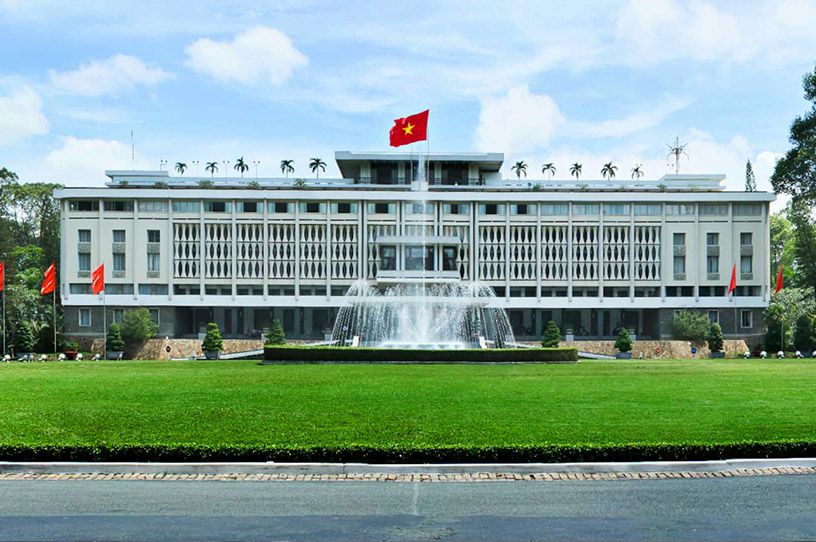
Independence Palace, also known as Reunification Palace, is one of the historical sites in Saigon listed as a special national heritage. Formerly, it was the workplace of the Governor-General of French Indochina and President Ngo Dinh Diem. It is most renowned for its role in the liberation of South Vietnam and the reunification of North and South Vietnam on April 30, 1975. Afterward, it was preserved as a historical tourist attraction. This is undoubtedly a must-visit destination when you come to Ho Chi Minh City.
Address: 135 Nam Ky Khoi Nghia Street, Ho Chi Minh City.
Ben Thanh Market
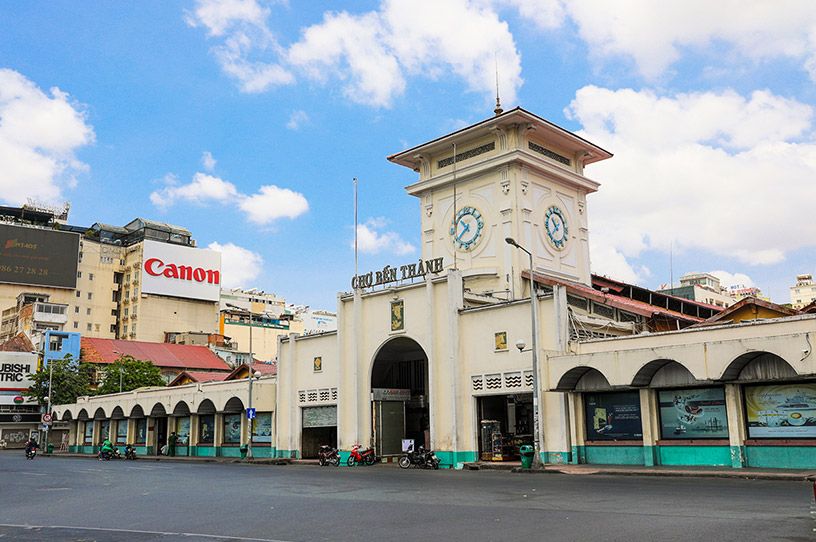
Ben Thanh Market is also a popular tourist destination in Ho Chi Minh City, frequently visited by travelers. This market was constructed in the late 19th century and is among the oldest markets in Vietnam. Today, it remains bustling due to its central location and international popularity as a tourist attraction. The market offers a wide range of products, including clothing, footwear, fabrics, handicrafts, local specialties, jewelry, and various food items. However, it’s worth noting that the vendors here are known to charge higher prices, so it’s advisable to haggle, aiming for a 30-50% discount.
Address: Ben Thanh Ward, District 1, Ho Chi Minh City, Vietnam.
Notre-Dame Cathedral Basilica of Saigon
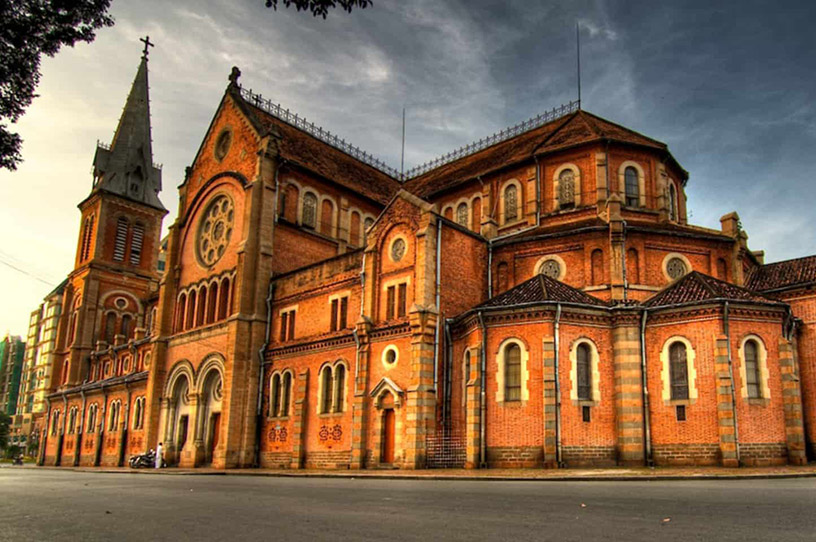
Located in the heart of District 1, Notre-Dame Cathedral Basilica of Saigon is another historical symbol of Ho Chi Minh City. Construction of the cathedral began in 1877 and was completed in 1880, designed by French architect J. Bourad in a Romanesque and Gothic architectural style. In front of the cathedral, there is a square with four intersecting roads forming a cross shape. Currently, Notre-Dame Cathedral Basilica is temporarily closed for renovation and interior upgrades, expected to be completed by the end of 2027.
Address: 01 Paris Commune Street, Ben Nghe Ward, District 1, Ho Chi Minh City.
Saigon Central Post Office
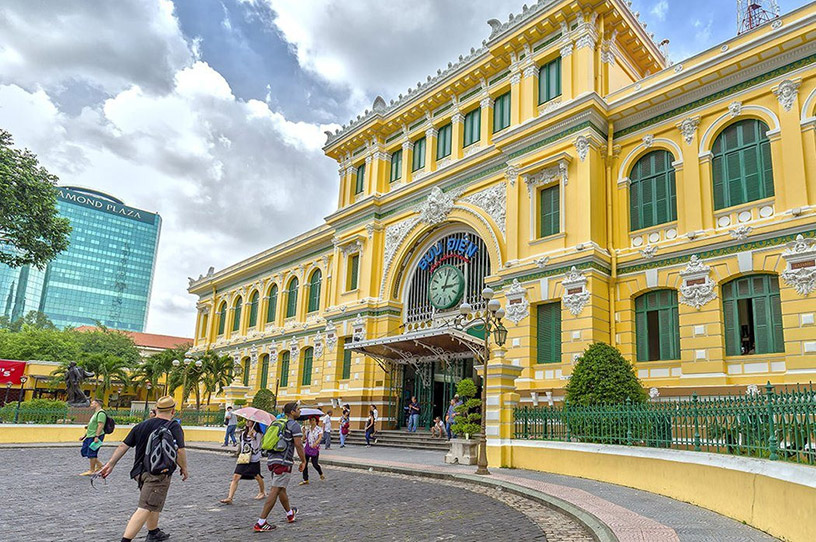
The Saigon Central Post Office was constructed from 1886 to 1891, featuring the distinctive yellow paint characteristic of French architecture at the time. It was designed by the renowned French architect Auguste Vildieu and his assistant Foulhoux. Over 100 years later, it remains the largest post office in Vietnam, maintaining its original design. Inside, you’ll find a vaulted ceiling, with a prominent bust of the god Mercury in the center, surrounded by a laurel wreath, symbolizing communication. The post office’s architecture is reminiscent of the Orsay train station in Paris and stands adjacent to Notre-Dame Cathedral Basilica, forming a unique architectural complex in Ho Chi Minh City.
Address: 125 Cong Xa Paris Street, Ben Nghe Ward, District 1.
Landmark 81
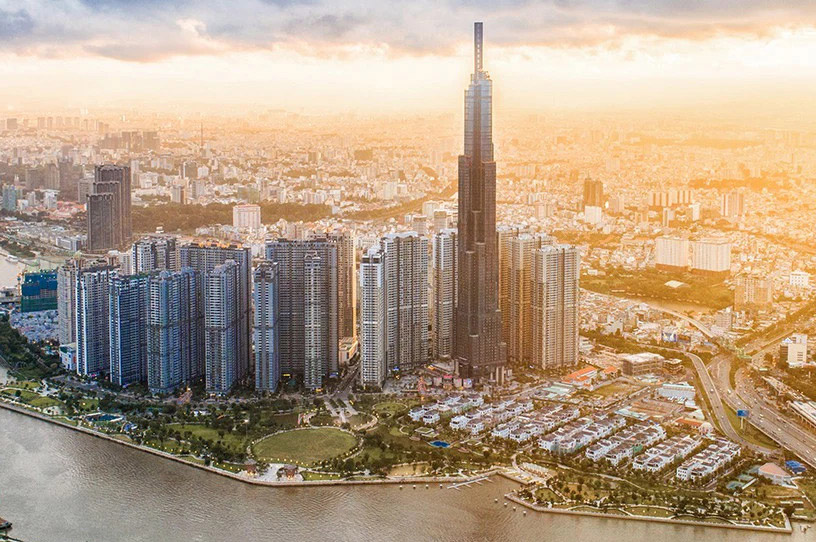
Landmark 81, completed in 2018, is one of the largest projects in Ho Chi Minh City and is currently the tallest building in Vietnam. Here, you can enjoy various amenities, including accommodations, shopping centers, cinemas, and dining options. This building houses a hotel, a commercial center, a cinema, and a dining area. Moreover, if you visit the SkyView observation deck on floors 79 to 81 at a height of 461.3 meters, you’ll have the opportunity to enjoy panoramic views of Ho Chi Minh City.
Address: 720A Dien Bien Phu Street, Binh Thanh District, Ho Chi Minh City.
Nguyen Hue Walking Street
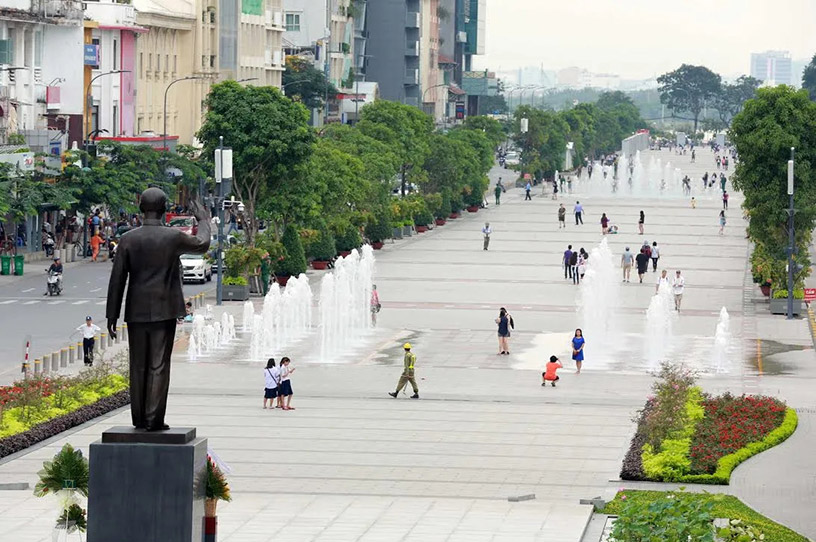
Similar to Hanoi’s Hoan Kiem Lake walking street, one of Saigon’s most crowded spots during the evening is Nguyen Hue Walking Street. This 670-meter-long street is exclusively for pedestrians, lined with eateries, cafes, and entertainment centers that are popular among young people. It’s also a hub for street art performances and other captivating activities.
Bui Vien Street
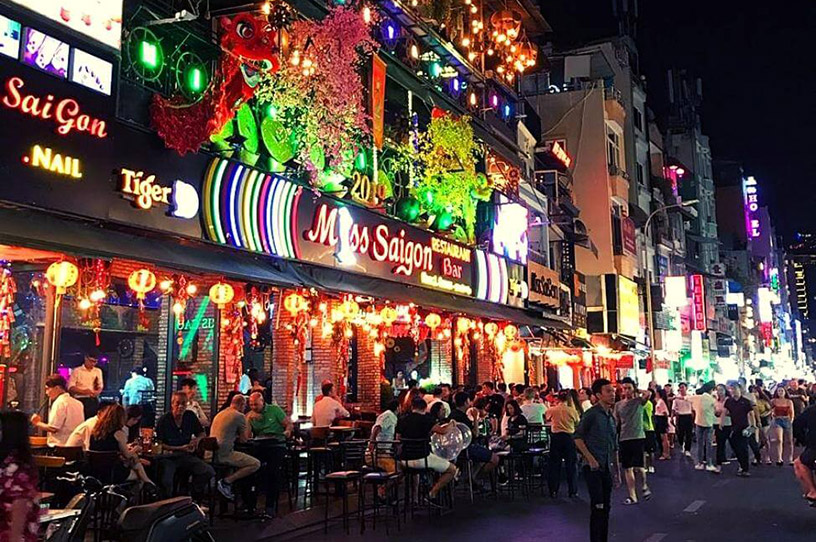
Bui Vien is a short street located in District 1, the central district of Ho Chi Minh City, but it comes alive during the evenings. This place bears some resemblance to Hanoi’s Ta Hien Street. Here, you can savor a variety of street food and engage in nightlife activities that last until the early hours. Along both sides of the street, you’ll find a wide range of establishments, from fast-food joints and cafes to bars and pubs. Bui Vien also offers free public amenities such as restrooms, Wi-Fi, and a tourist information station. It’s particularly popular among young people and international tourists.
Ho Chi Minh City Opera House
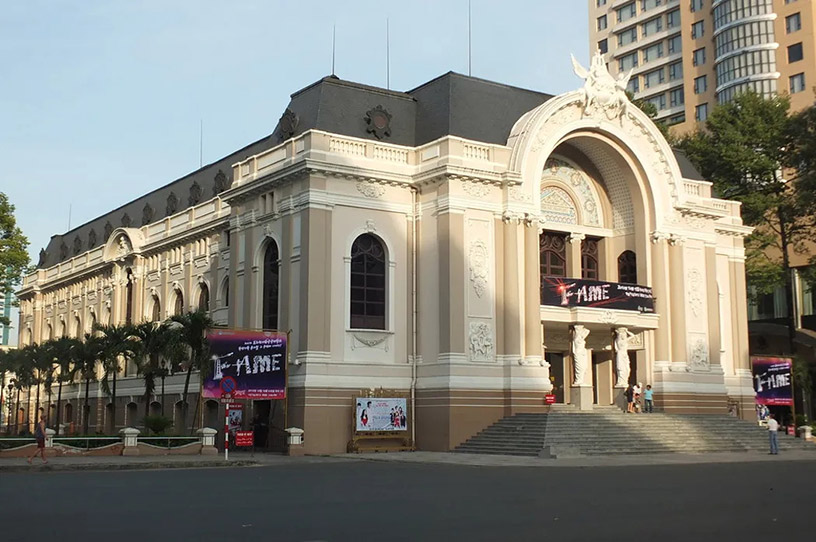
If you’re looking for a tourist destination in Saigon with professional artistic performances such as drama, Cairojess, and opera, then the Ho Chi Minh City Opera House is considered the top ideal place. It’s also one of the most unique architectural landmarks in Vietnam today. This opera house has an area of up to 2,016 square meters and was designed by architects Eugène Feret and Ernest Guichard, completed in 1900. The building not only showcases grandeur and elegance on the outside but also represents architectural innovation in interior design and modern sound and lighting systems. When you visit, you can preview the theater’s performance schedule. With a seating capacity of around 1,800 people, you can enjoy professional performances by Vietnamese and international art groups with your family.
Address: 7 Lam Son Square, Ben Nghe Ward, District 1, Ho Chi Minh City.
Visiting hours: 9:00 AM to 4:30 PM (Monday to Friday) and 9:00 AM to 12:00 PM (Saturday and Sunday).
Dragon House Wharf
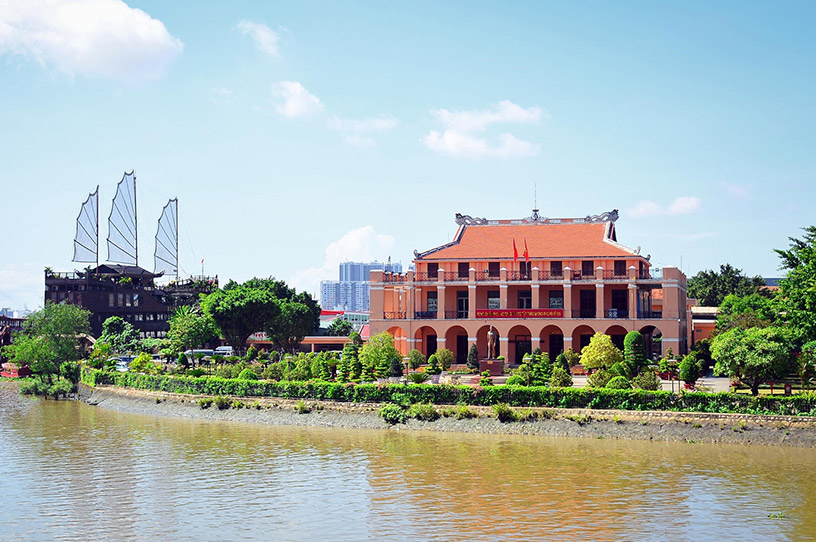
A Saigon tourist destination that preserves many memories and the legacy of President Ho Chi Minh is the Dragon House Wharf. This structure bears witness to the historical struggles of the Vietnamese people against the French and the Americans. Today, when you visit this tourist attraction, you can observe numerous artifacts and documents related to the life of President Ho Chi Minh. It is also one of the tourist spots in Ho Chi Minh City that helps you better understand the history of Vietnam.
Address: 1 Nguyen Tat Thanh Street, Ward 12, District 4, Ho Chi Minh City.
Museums in Ho Chi Minh City
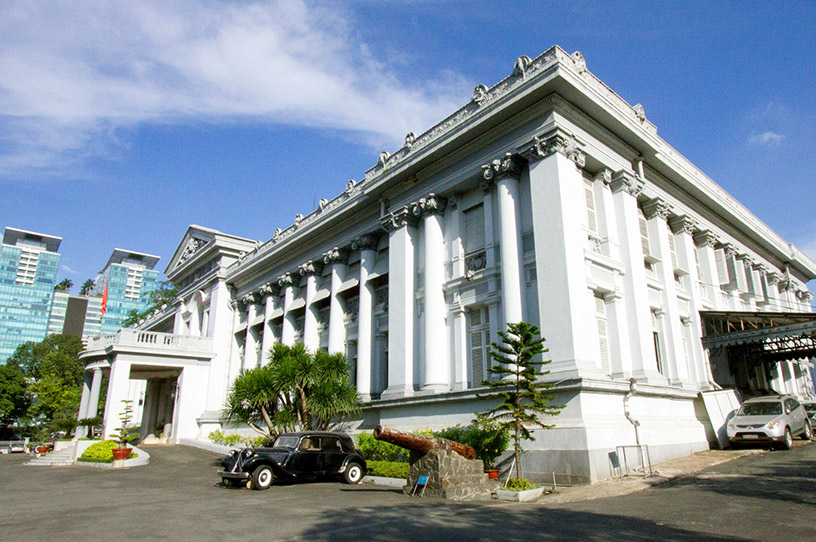
Visiting museums is an essential activity when you come to Ho Chi Minh City. With a rich history of fighting against foreign invaders, there are many historically significant museums waiting for you to explore, such as the Ho Chi Minh City History Museum, the Southern Women’s Museum, the Ho Chi Minh Museum, the Ho Chi Minh City Museum of Fine Arts, and the War Remnants Museum. To find out more details about the museums in Ho Chi Minh City
Saigon River
The Saigon River, with a length of up to 230 kilometers, runs through Ho Chi Minh City. You can buy tickets to start your journey exploring Ho Chi Minh City along this river with a very exciting experience. In addition to admiring the architectural structures on both sides of the river, you can enjoy drinks and meals right on the boat.
